

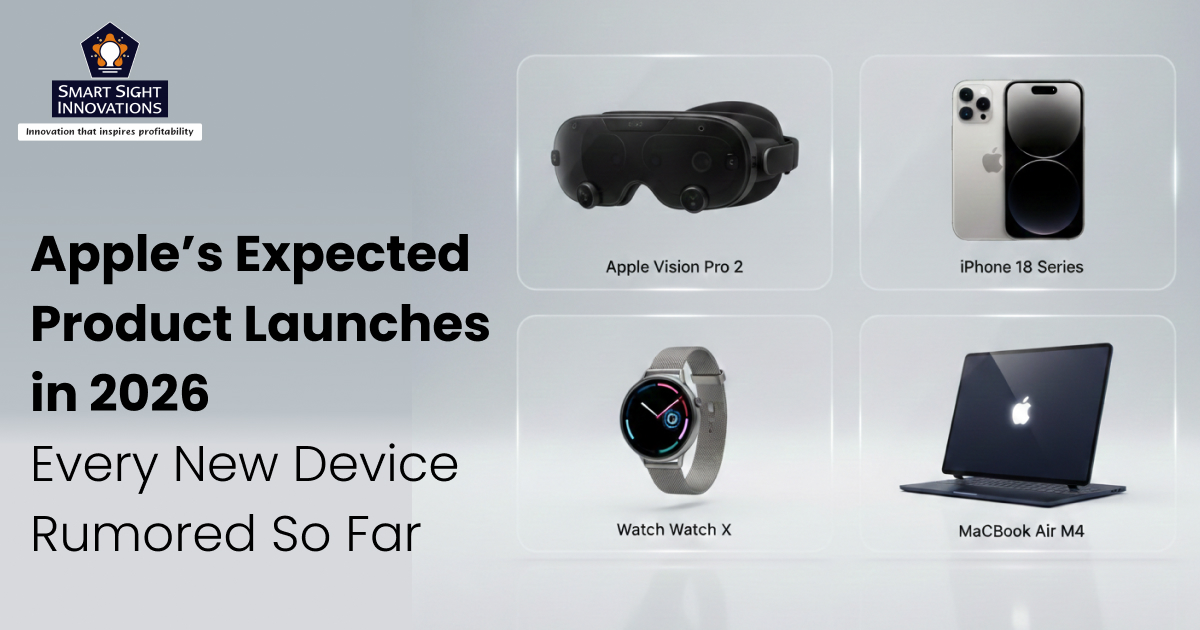
Apple is gearing up for what could be one of its most ambitious product years yet. If current supply-chain leaks, analyst reports, and internal software references are accurate, 2026 could bring more than 20 new Apple products across nearly every category, from iPhones and Macs to smart home devices and even Apple’s long-rumored smart glasses.
Unlike typical years that focus primarily on iPhones and incremental Mac upgrades, 2026 appears to mark a broader strategic shift. Apple is expected to:
- Expand deeper into smart home hardware
- Introduce its first foldable iPhone
- Push AI-driven features under the Apple Intelligence banner
- Refresh most of the Mac lineup with M5 chips
- Launch new display technologies including OLED and mini-LED
- Possibly unveil Apple Glasses
Here’s a complete breakdown of every Apple product expected in 2026.
The first half of 2026 could be unusually busy for Apple. Reports suggest an early-year refresh cycle covering Macs, iPads, home products, and even a new budget iPhone.
1. iPhone 17e
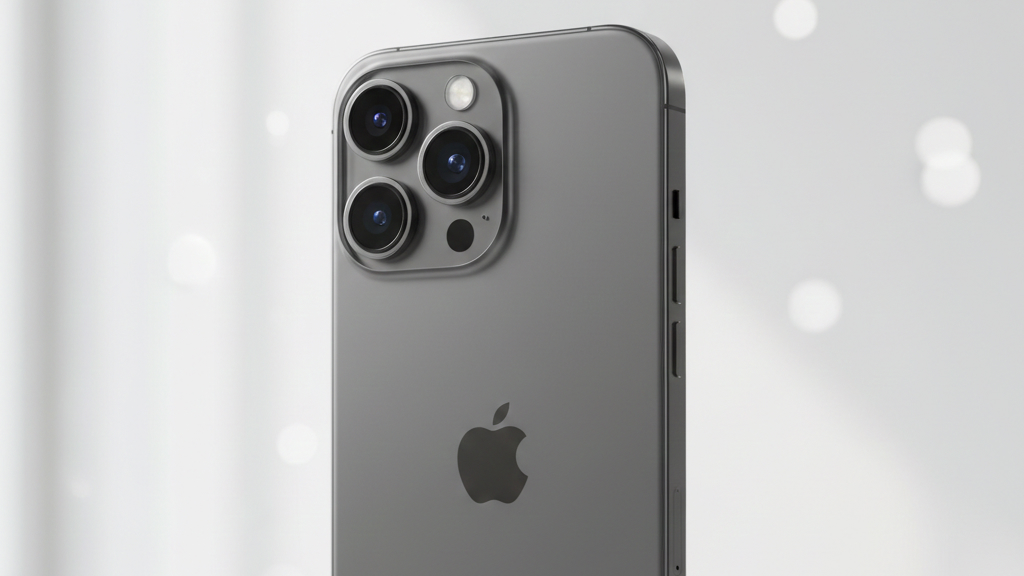
The iPhone 17e is expected to launch in spring 2026, and is set to become Apple’s new entry-level iPhone for 2026. Rumors suggest it will feature the A19 chip, giving it enough performance headroom to support Apple Intelligence features. A major visual upgrade could include slimmer bezels and possibly the introduction of the Dynamic Island instead of the traditional notch.
MagSafe support is also likely, bringing it closer to Apple’s premium models. If Apple includes a Center Stage-enabled front camera, it would significantly improve video calls. The iPhone 17e may be Apple’s strategy to bring AI-powered features to more affordable devices without compromising performance.
Positioned as a value-driven but future-ready smartphone, it could become one of Apple’s strongest sellers in emerging markets and among first-time iPhone buyers.
2. iPad (2026 Update)
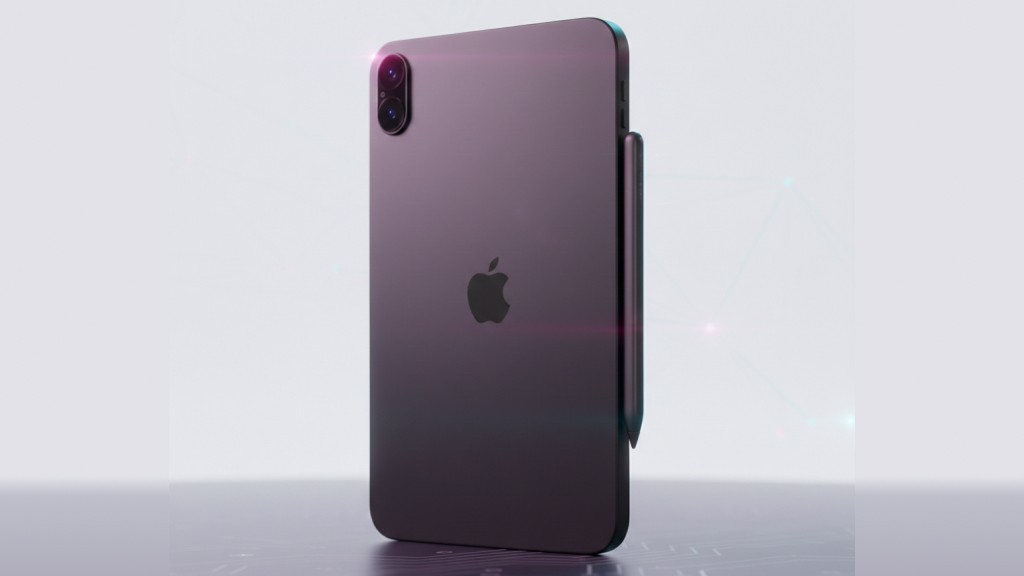
Apple’s base iPad is overdue for a meaningful upgrade, and 2026 could finally bring it in line with Apple’s AI roadmap. The most important rumored change is a move to an A18 or A19 chip, enabling support for Apple Intelligence. The previous model’s A16 chip limited its long-term relevance, so this refresh would significantly improve longevity.
While major design changes are unlikely, performance improvements could make the entry-level iPad more appealing to students and casual users. Battery efficiency may also improve with the newer silicon. Apple is unlikely to adopt OLED at this price tier yet, but display calibration and brightness improvements are possible.
The 2026 base iPad may not be flashy, but it could become a powerful budget productivity device, particularly if Apple positions it as an affordable gateway into its expanding AI ecosystem.
3. iPad Air
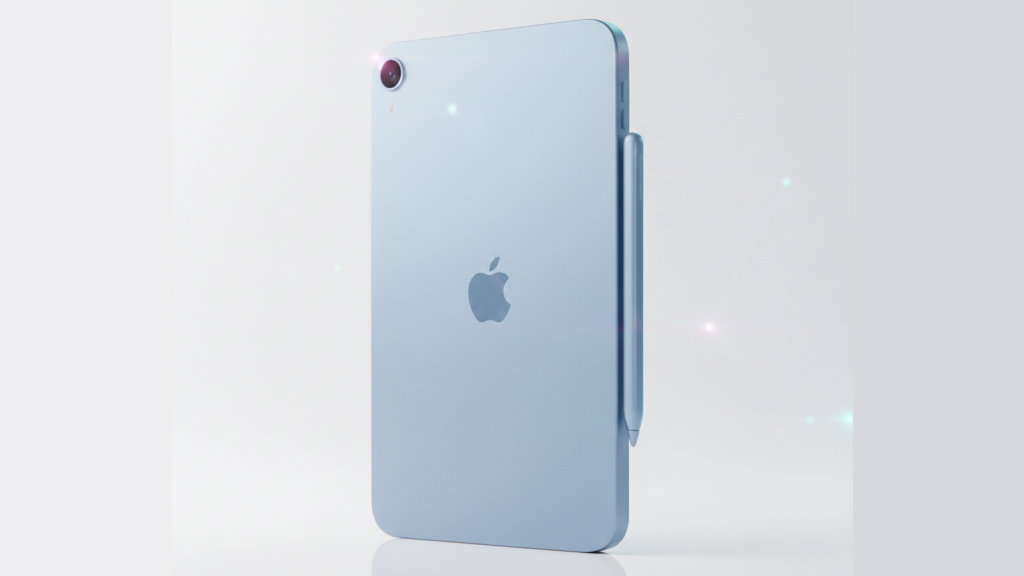
The 2026 iPad Air is expected to receive an M4 chip upgrade, reinforcing its position as the ideal balance between performance and portability. The design will likely remain unchanged, with 11-inch and 13-inch models continuing. However, the shift to M4 would improve GPU performance, AI acceleration, and overall multitasking efficiency.
This could make the iPad Air an even stronger alternative to the iPad Pro for most users. There are also rumors that Apple’s N1 networking chip may debut in this model, improving wireless performance. While no major display technology changes are expected, efficiency improvements could extend battery life.
The M4 iPad Air could become Apple’s most practical tablet in 2026, powerful enough for creative work, yet priced below the premium Pro lineup.
4. AirTag 2
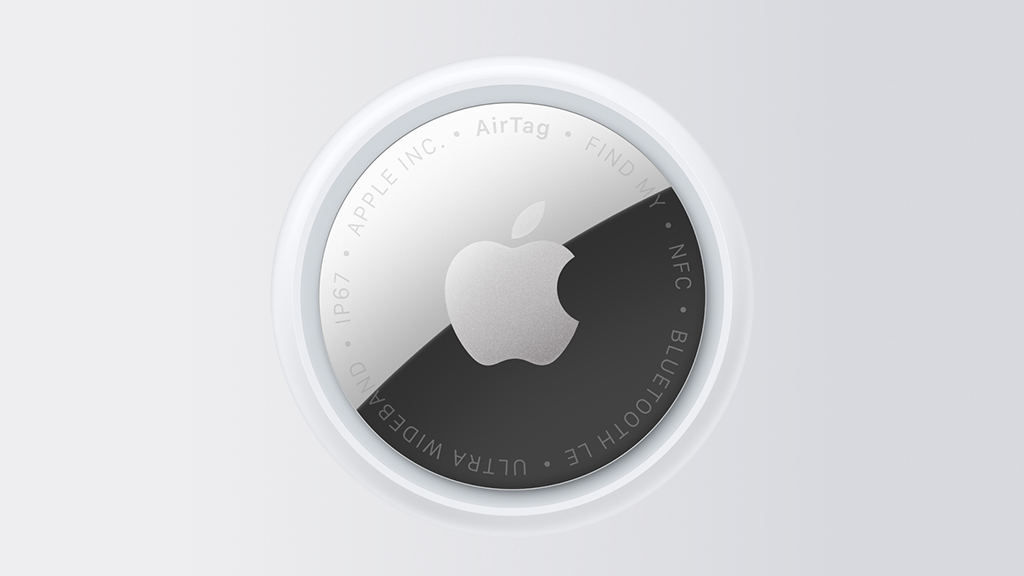
AirTag 2 is expected to focus heavily on range and security improvements. A next-generation Ultra Wideband chip could significantly extend precision tracking distance, making item recovery faster and more reliable. Apple is also rumored to be strengthening anti-stalking safeguards, including improved alerts and tamper resistance.
Privacy remains central to Apple’s brand, so additional encryption enhancements are likely. The physical design may remain largely unchanged, but internal upgrades could improve battery efficiency and responsiveness. With more people using tracking devices globally, AirTag 2 could solidify Apple’s leadership in this category. Enhanced Find My integration and improved directional accuracy may make it especially appealing for travel and luggage tracking.
5. MacBook Air
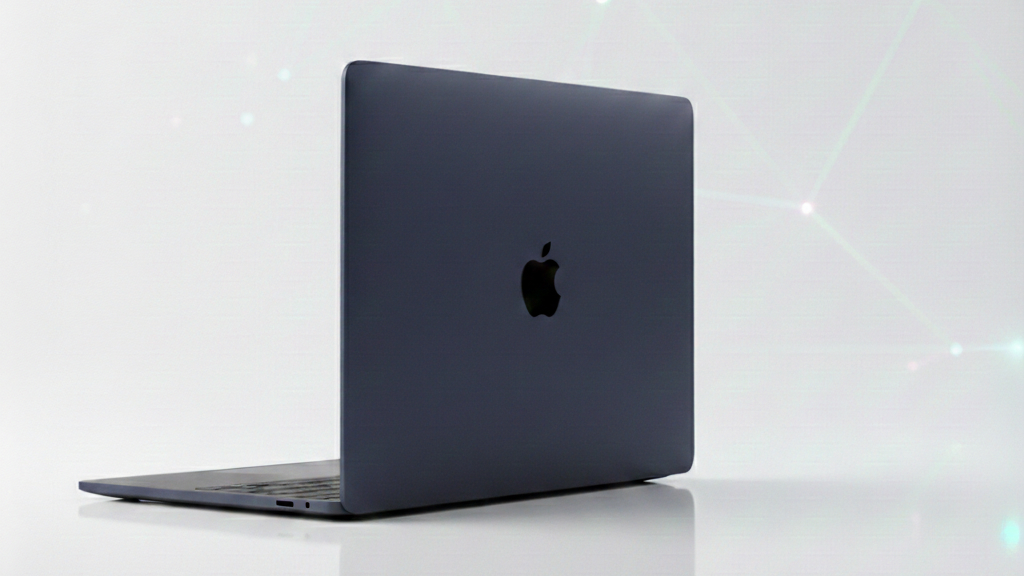
Apple is likely to introduce the M5 MacBook Air in spring 2026, following its pattern of yearly chip upgrades. While the design is likely to remain unchanged, the M5 chip should deliver measurable improvements in graphics, AI processing, and efficiency. The Air’s fanless design may limit sustained performance compared to the Pro models, but everyday productivity and creative workflows should feel noticeably faster.
Both 13-inch and 15-inch sizes are expected to remain. Apple may introduce refreshed color options to differentiate the new generation visually. With improved AI acceleration, the M5 MacBook Air could become the ideal laptop for students, writers, and remote workers who prioritize portability and battery life without sacrificing performance.
6. MacBook Pro
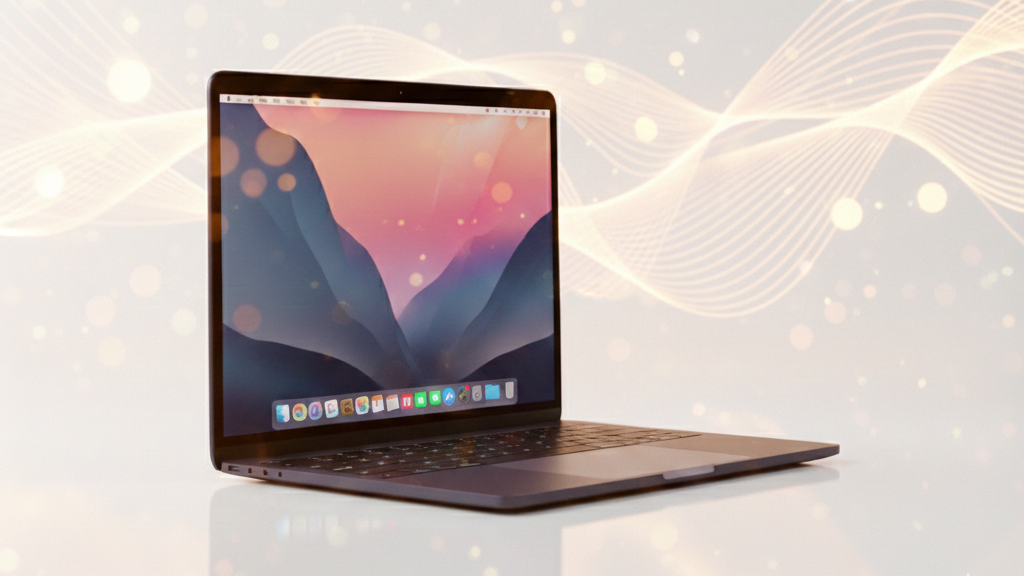
Apple’s 14-inch and 16-inch MacBook Pro models are expected to receive M5 Pro and M5 Max chips in early 2026. These chips may feature expanded CPU and GPU cores, improved neural engines, and higher memory bandwidth. Reports suggest Apple could separate CPU and GPU blocks for more customizable configurations.
While the external design will likely remain unchanged, internal upgrades may dramatically improve AI workloads, 3D rendering, and professional video editing. Battery life gains are also possible thanks to 2nm advancements. These MacBook Pro models will likely target professionals who require sustained peak performance, maintaining Apple’s dominance in high-end creative computing.
7. Low-Cost MacBook
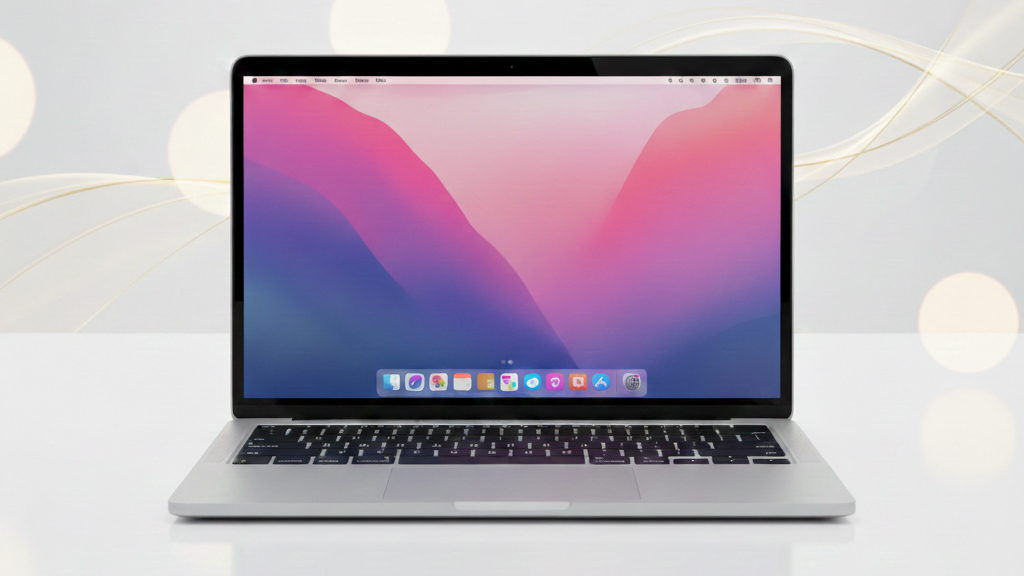
Apple is reportedly developing a low-cost MacBook powered by an A-series chip, potentially the A18 Pro. This would mark a major shift in Apple’s laptop strategy, as it blends iPhone-class silicon with macOS. The device is expected to feature a 13-inch display and vibrant color options. By pricing it below the MacBook Air, Apple could compete more aggressively with Chromebooks in education markets.
While performance may not match M-series Macs in heavy workloads, efficiency and battery life could be exceptional. This MacBook could expand Apple’s user base significantly, especially in cost-sensitive regions. If executed well, it may redefine entry-level computing within Apple’s ecosystem.
8. Mac Mini & Mac Studio
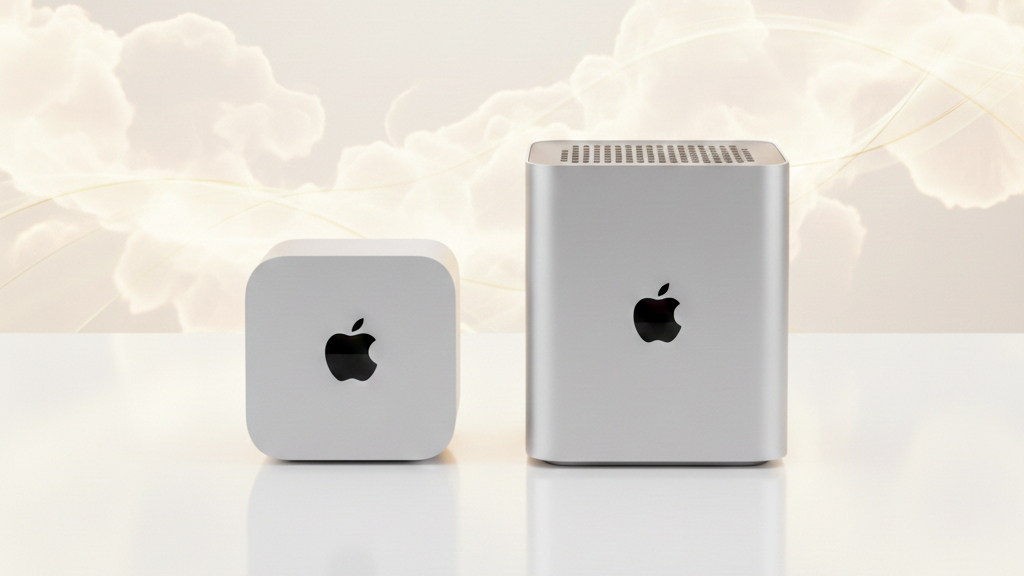
The Mac mini and Mac Studio are both expected to receive M5-series updates in 2026. The Mac mini may offer M5 and M5 Pro variants, while the Mac Studio could gain M5 Max and a new M5 Ultra chip. Design changes are unlikely, as both devices were recently refreshed. However, performance improvements could be significant, especially in GPU-intensive tasks.
The M5 Ultra, in particular, may double the capabilities of the M5 Max, targeting high-end creators and developers. These updates would reinforce Apple’s desktop strategy and maintain its advantage in performance-per-watt efficiency.
9. Studio Display & Pro Display Successor
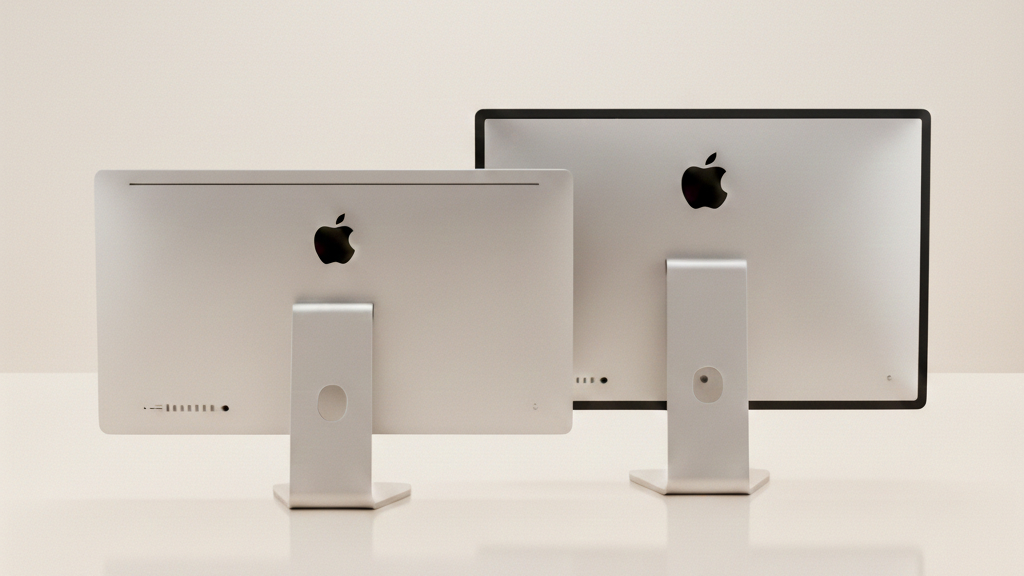
Apple is rumored to be developing two new Mac displays late in 2026. The next-generation Studio Display may adopt mini-LED technology, bringing improved HDR, brightness, and contrast. ProMotion 120Hz support could also debut. Additionally, a successor to the Pro Display XDR may introduce further enhancements for professional workflows.
Apple could integrate a newer A-series chip for camera and speaker processing improvements. These displays would target creative professionals seeking better visual fidelity and smoother refresh rates.
10. iOS 27, iPadOS 27, macOS 27
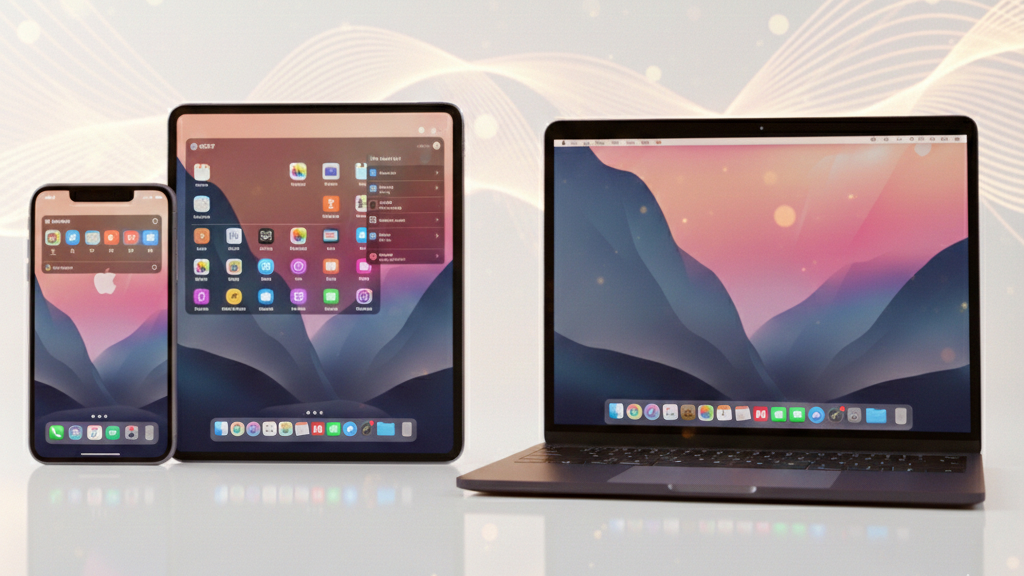
Apple’s 2026 software updates are expected to center heavily on AI integration. iOS 27 may introduce deeper Siri intelligence powered by large language models. iPadOS 27 could improve multitasking and external display support. macOS 27 may focus on AI automation tools and enhanced continuity features.
These updates will likely be previewed at WWDC 2026 and launched in September 2026. Apple’s goal appears to be embedding intelligence across devices rather than isolating it to premium hardware.
11. iPhone 18 Pro & iPhone 18 Pro Max
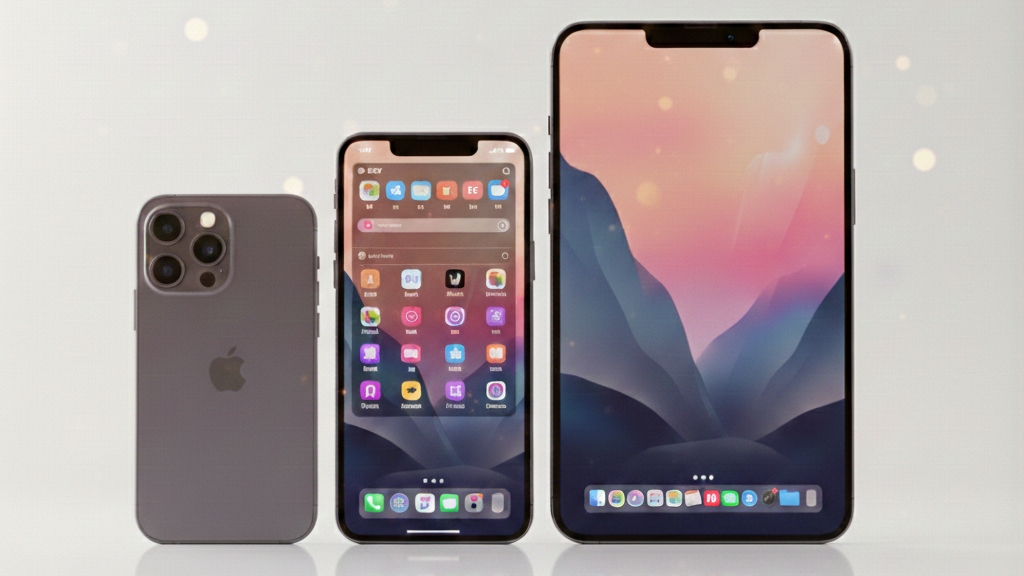
The iPhone 18 Pro lineup could introduce under-display Face ID, reducing the need for the Dynamic Island. Powered by the A20 Pro chip built on a 2nm process, performance and efficiency gains may be substantial. The Pro Max may feature a larger battery and a variable aperture main camera for enhanced photography flexibility.
Apple’s own C2 modem may also debut, reducing reliance on Qualcomm. These upgrades could represent one of the most significant iPhone hardware evolutions in years. Apple’s flagship iPhones will likely launch in September 2026
12. iPhone Fold
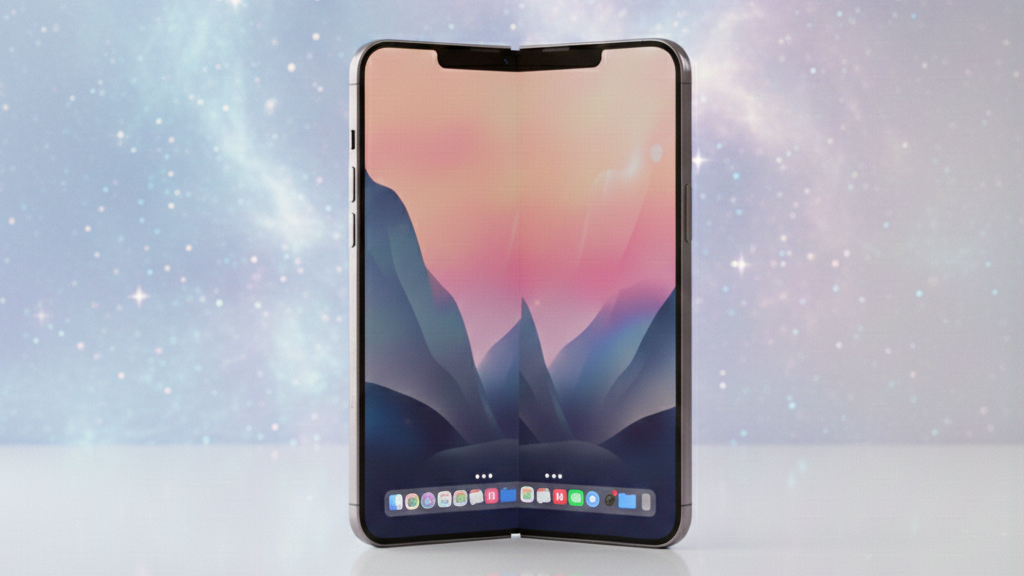
Apple’s first foldable iPhone is rumored to feature a book-style design with a 7.6-inch internal display and 5.3-inch external screen. It may use titanium materials and advanced hinge engineering to minimize crease visibility. Instead of Face ID, Apple could integrate Touch ID into the power button.
Pricing could be anything around $2,000 to $2,500. This device would mark Apple’s entry into the foldable category and redefine its premium tier. Apple’s foldable iPhone may be announced in late 2026, possibly alongside the iPhone 18 lineup, but ship in 2027.
13. iPhone Air 2
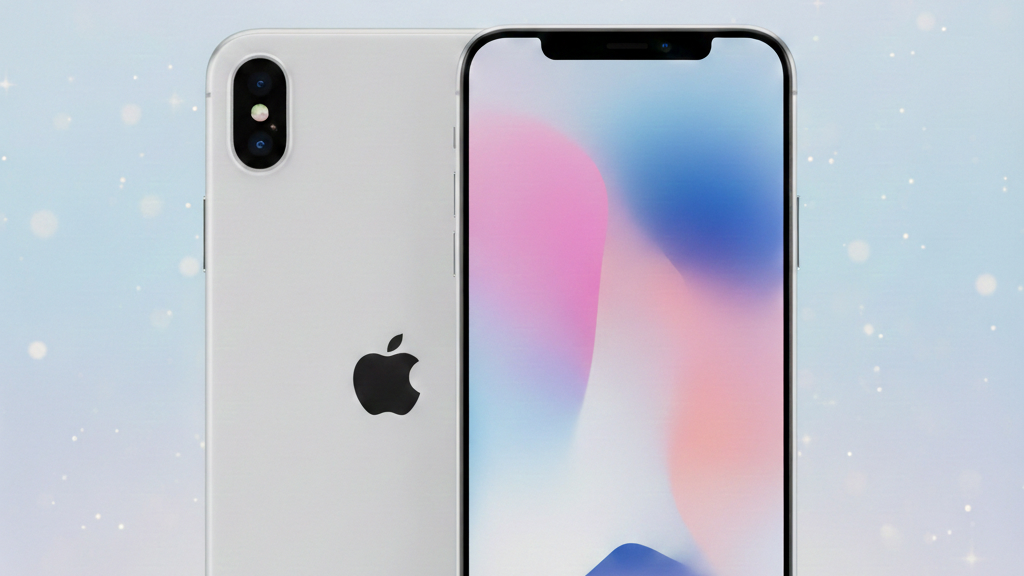
Apple could use the iPhone Air 2 to advance its vision of an exceptionally thin and lightweight iPhone. Expected upgrades include the A20 chip and improved battery efficiency. A second rear camera may also be added to boost appeal. Apple could position it between standard and Pro models.
14. Apple Watch Series 12
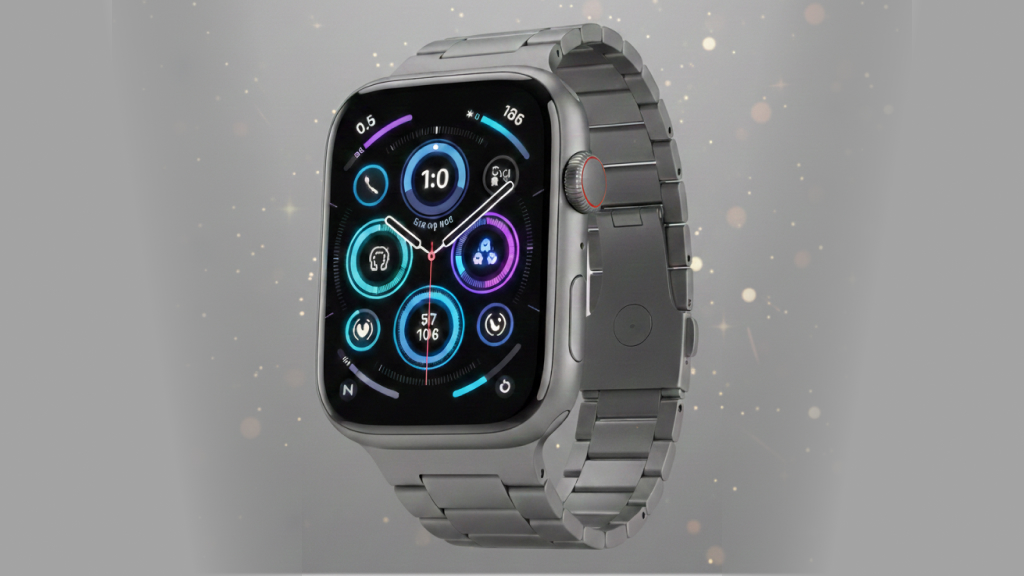
Apple Watch Series 12 is expected to receive a new S-class chip and possibly Touch ID integration. Expanded health sensors and improved AI insights may enhance fitness tracking and predictive health alerts.
15. Apple Watch Ultra 4
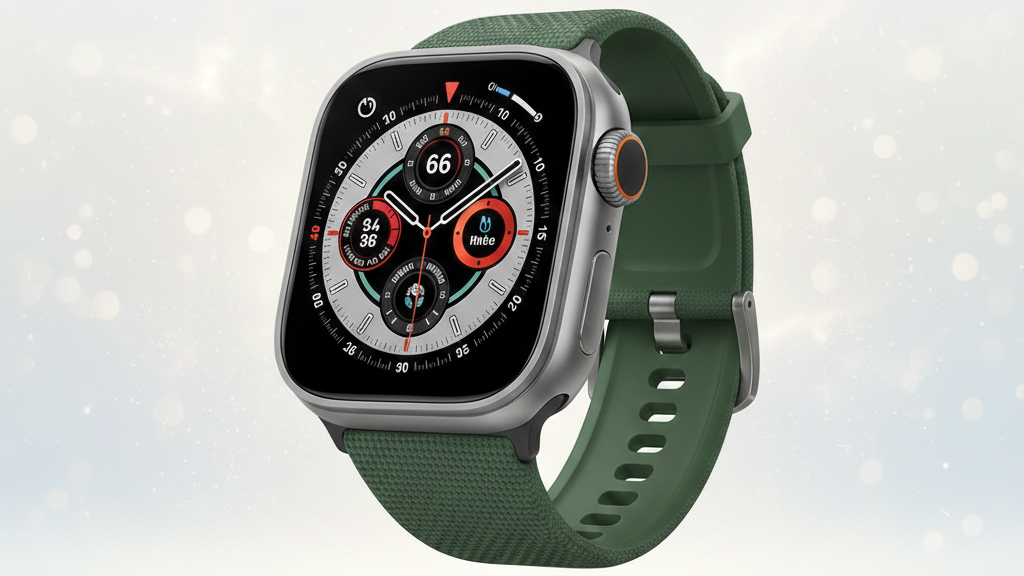
The Ultra 4 may introduce new durability improvements, potential fingerprint authentication, and longer battery life. Health tracking upgrades remain speculative.
16. iPad mini
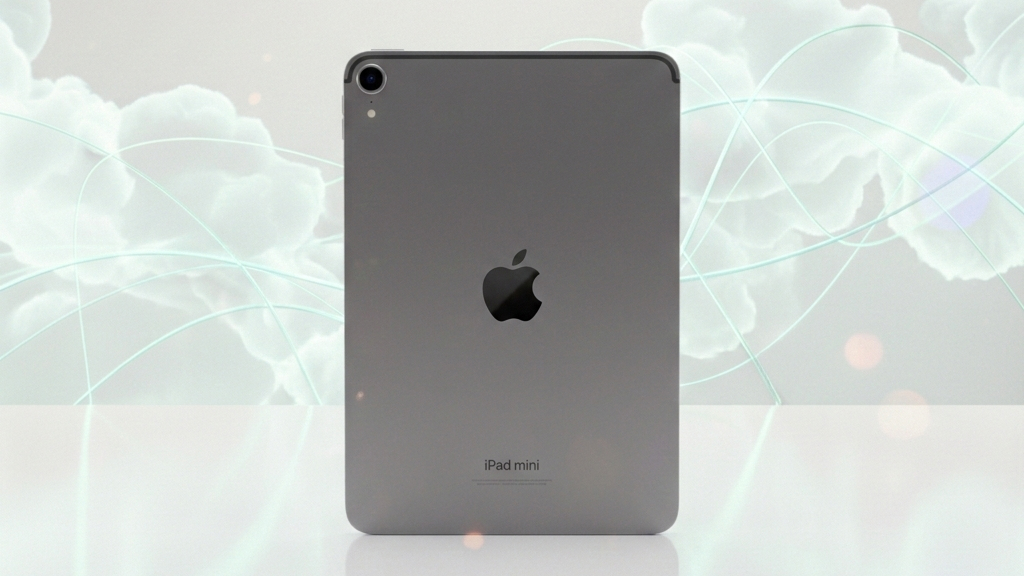
The OLED iPad mini could deliver better contrast, battery efficiency, and potentially a slightly larger screen. A20 Pro performance may make it more future-ready.
17. MacBook Pro
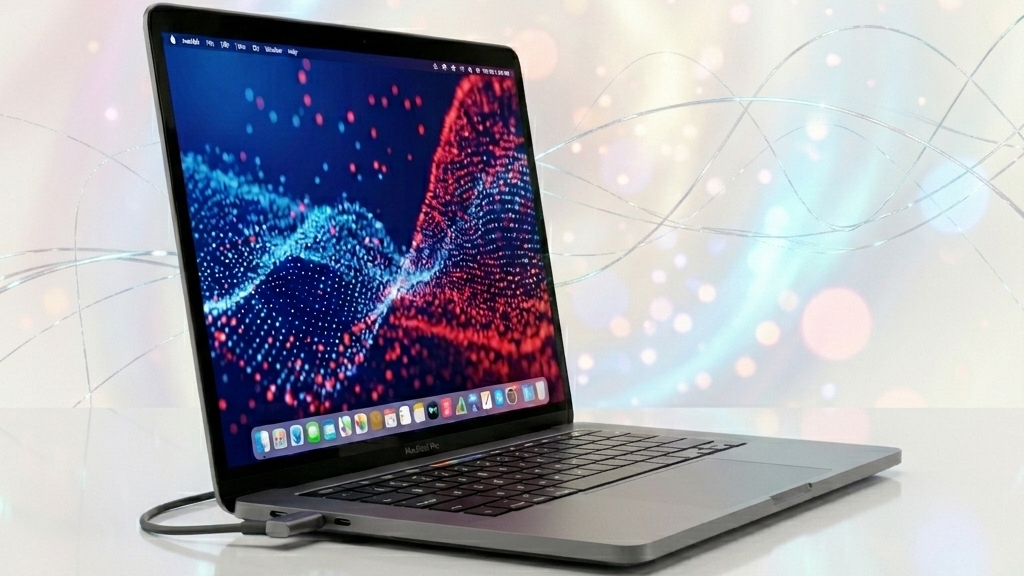
The M6 MacBook Pro could introduce OLED, touch support, thinner design, and a hole-punch camera. It may represent the most dramatic Mac redesign in years.
18. Home Hub / HomePod Touch
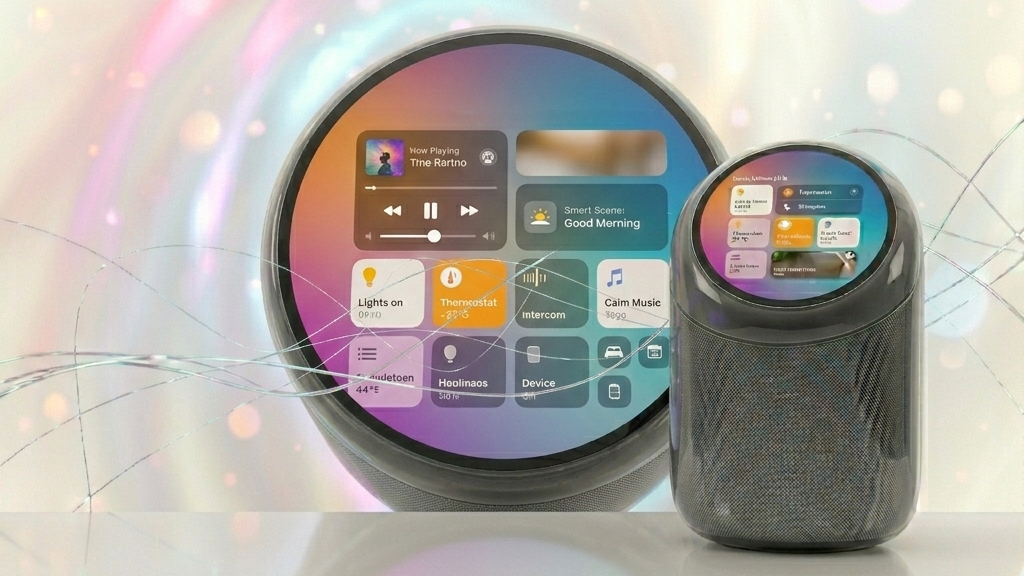
Apple’s smart hub may feature a 7-inch display, HomeOS interface, and advanced Siri AI. It could control smart devices, display widgets, and enable video calls.
19. HomePod mini
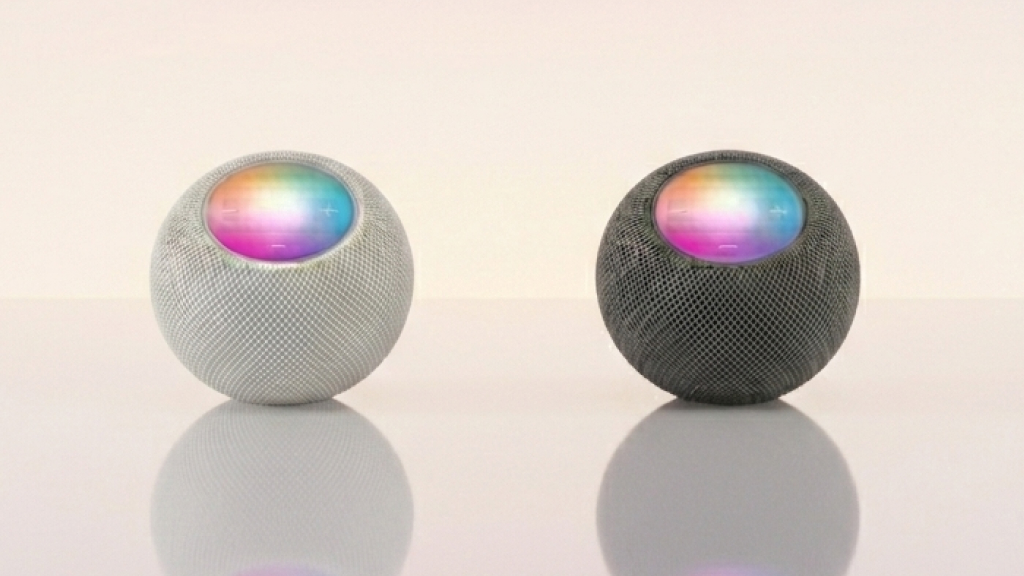
HomePod mini 2 may receive an updated chip and improved audio tuning, with possible new colors.
20. Apple TV 4K
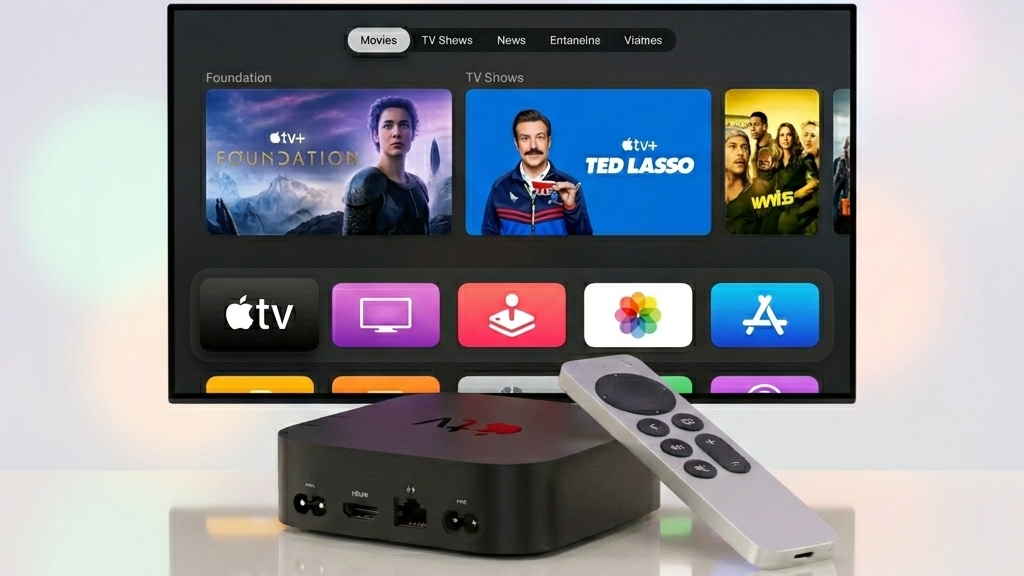
The updated Apple TV 4K may include the A17 Pro chip, enabling Apple Intelligence and console-level gaming.
21. Apple Security Camera & Video Doorbell
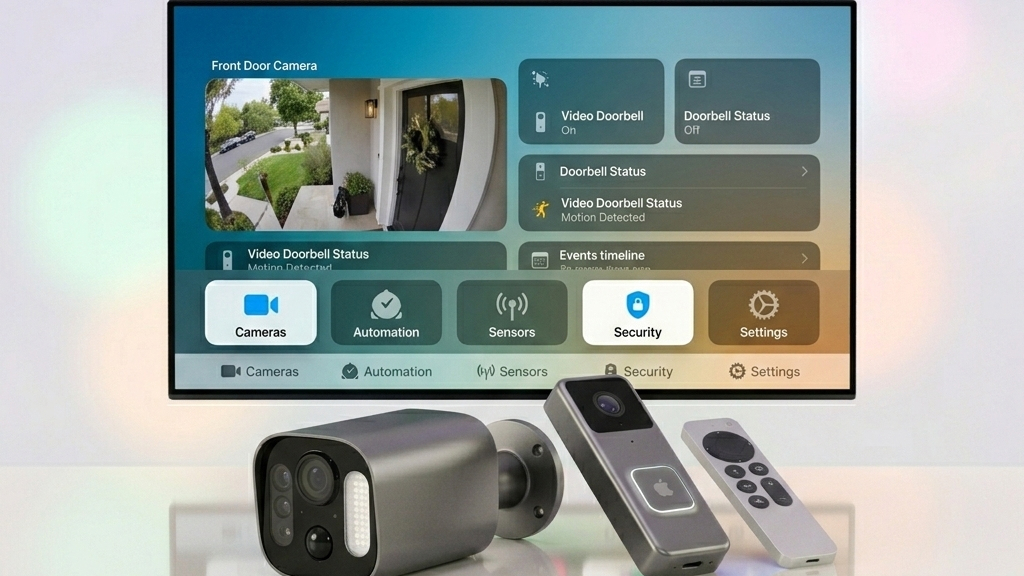
Apple is rumored to be developing HomeKit Secure Video-compatible cameras and a Face ID-enabled doorbell. These could deepen Apple’s smart home ecosystem integration.
22. Apple Glasses
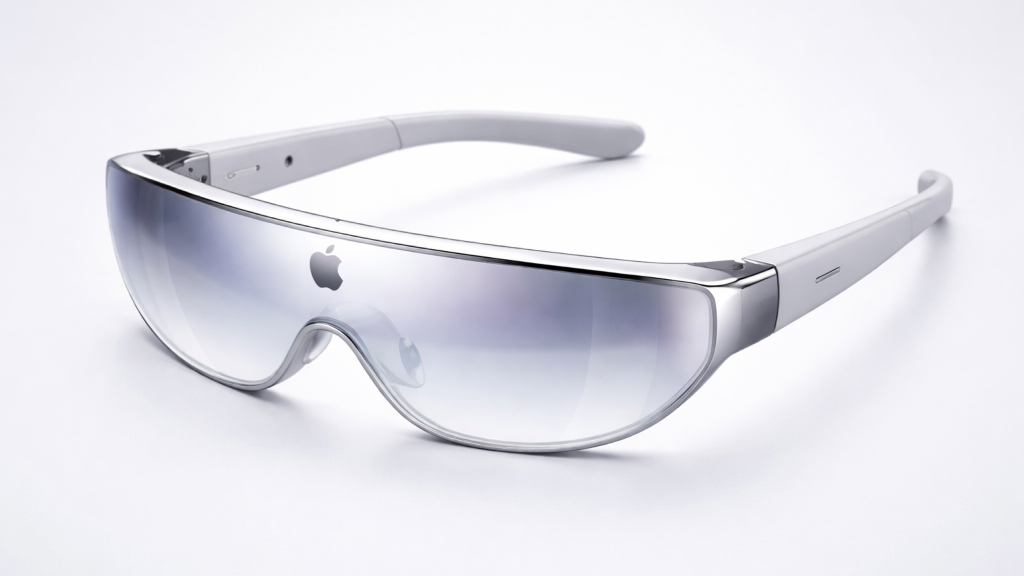
Perhaps the most fascinating product expected in 2026 is Apple Glasses. Unlike AR headsets, these smart glasses may not feature built-in displays. Instead, they could rely on cameras, speakers, and AI-powered Siri interactions while pairing with an iPhone.
Apple may unveil the product in 2026 but delay shipping until 2027. If successful, Apple Glasses could represent the company’s next major computing platform beyond the smartphone.
Apple’s 2026 roadmap is shaping up to be one of its most ambitious in years. With major launches expected throughout spring, WWDC in June, and the traditional September iPhone event, 2026 could redefine how Apple integrates AI, performance, and ecosystem connectivity. Whether you’re waiting for a budget-friendly MacBook, a next-generation iPhone 18 Pro, or Apple’s first smart glasses, the year ahead may mark the beginning of Apple’s next major platform shift.