



If you’ve been using Gmail for a decade or more, you’ve probably seen the dreaded “Storage Almost Full” warning. What seemed like plenty of space years ago now fills up surprisingly fast.
The important thing to remember is that the 15GB isn’t just for Gmail, it’s shared across your Google Account, including Google Drive and Google Photos. Add years of attachments, media files, backups, and newsletters, and you’ll hit the limit sooner than expected. You could upgrade to Google One and pay monthly for more space. But what if you don’t want another subscription?
There’s a lesser-known workaround that lets you free up the entire space, without deleting your old emails. The method involves transferring your old emails to a separate Gmail account via POP3 and converting it into a long-term archive.
Why Deleting Emails Isn’t Always the Best Option?

Deleting emails may seem like the fastest way to reclaim Gmail storage, but it’s rarely the most practical solution. Over the years, your inbox likely filled up with newsletters, promotional offers, receipts, attachments, and important conversations. Manually sorting through thousands, or even tens of thousands, of messages takes time and focus. Worse, it increases the risk of accidentally deleting something valuable, like a tax document, login confirmation, or old client exchange.
Even Gmail’s built-in storage tools, which help identify large attachments and bulk emails, only solve part of the problem. You might recover a few gigabytes, but the process can be tedious and repetitive. If you’ve been using the same account for a decade or more, a full cleanup could take days.
For many users, preserving old emails while still freeing up space makes far more sense than permanently deleting years of digital history.
How Does the 15GB Gmail Storage Hack Work?

Every new Gmail account comes with 15GB of free storage. That means you can create a second account and use it as a long-term archive. Using Gmail’s built-in POP3 feature, your new account can “pull” all emails from your original account. Once transferred, you can safely delete them from the primary inbox, freeing up space instantly.
Here’s what happens:
- You enable POP access in your old Gmail account.
- You create a new Gmail account (your archive).
- The new account fetches all emails from the old one.
- After transfer, you delete the emails from the original account.
- Your primary inbox is empty, but your emails are preserved in the archive.
Below are the steps to transfer your emails and free up space securely.
Step 1: Back Up Your Emails (Highly Recommended)
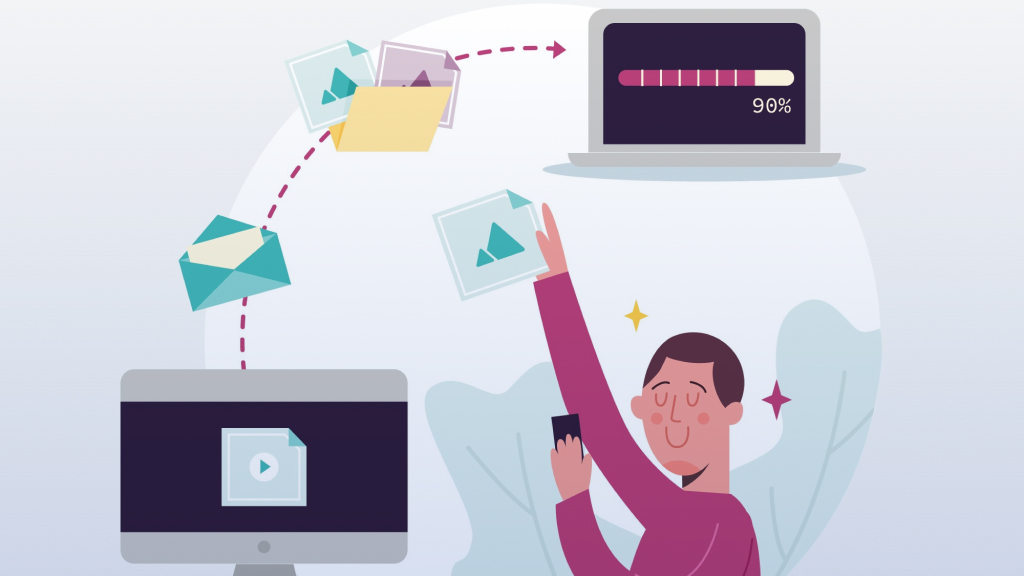
Before moving tens of thousands of messages, create a backup. Use Google Takeout to download a copy of your Gmail data. This allows you to store your emails locally on your computer or an external drive.
Why does this matter?
- It protects you in case something goes wrong.
- It gives you a full offline archive.
- You can delete the backup later if you don’t need it.
For large inboxes (50,000–75,000 emails), the download may take a couple of hours.
Step 2: Enable POP in Your Original Gmail Account
Now it’s time to prepare your main account for transfer.
- Log into your original Gmail account.
- Click the gear icon → See all settings.
- Open the Forwarding and POP/IMAP tab.
- Select Enable POP for all mail.
- Under “When messages are accessed with POP,” choose:
- Delete Gmail’s copy (if you want space freed automatically after transfer).
- Click Save Changes.
This setting allows another account to retrieve your messages.
Step 3: Create an Archive Gmail Account
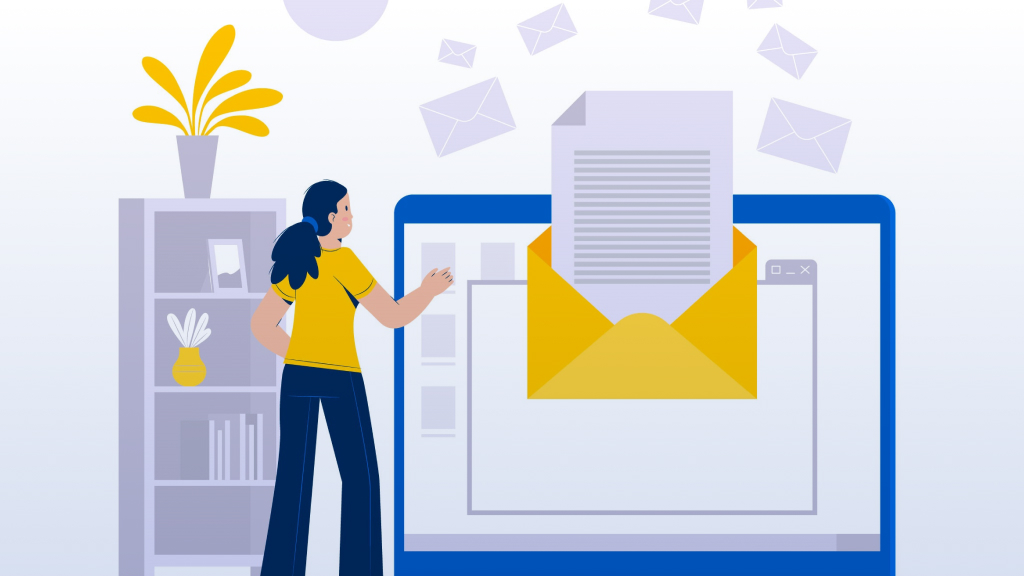
Create a new Gmail account, if needed, to function as your dedicated email archive.
Keep it simple:
- Use a name that clearly indicates its storage (e.g., yourname.archive).
- Enable two-factor authentication for security.
This account will receive all your old emails.
Step 4: Create an App Password (Critical Step)

In most cases, Gmail won’t allow POP access using your regular password. You’ll need to generate an app-specific password. Go to your Google Account security settings and create an app password labeled something like “Email Transfer.”
It’s important to note:
- You must have 2-Step Verification enabled.
- Google will show the 16-digit password only once.
- Save it temporarily because you’ll delete it later.
Without this step, the transfer usually fails.
Step 5: Start the Email Transfer

Now switch to your new archive account.
- Go to Settings → See all settings.
- Click Accounts and Import.
- Click Add a mail account
- Enter your old Gmail address.
- Choose Import emails from my other account (POP3).
- Enter the 16-digit app password.
- Set the port to 995.
- Check these boxes:
- Always use a secure connection (SSL)
- Label incoming messages
- Archive incoming messages (Skip the Inbox)
- Click Add Account.
Gmail will send a confirmation link to your original account. You need to approve it, and wait for the migration to begin.
How Long Does the Transfer Take?
It depends on how many emails you have. It takes anywhere from a few hours to one or two days. The transfer runs in the background, and you don’t need to keep both accounts open, as Gmail handles everything automatically.
Step 6: Free Up the Space
Once all emails are transferred:
- Log back into your original account.
- Open Trash.
- Click Empty Trash Now.
This is the point where your storage space is finally restored. For very large accounts, clearing the Trash may take up to an hour. Once finished, check your storage dashboard to confirm the significant drop in usage.
Important Limitations You Should Know

While this method is highly effective, it does come with a few restrictions:
- Emails stored in your Drafts folder are not transferred through POP, so any unfinished or important drafts will need to be forwarded or copied manually before you begin.
- Messages in the Spam folder are also excluded from the transfer process, though Gmail automatically deletes spam after 30 days, so this is usually less of a concern.
- Google has announced plans to phase out POP3 for new users in the near future. Existing users will retain access for some time, but it’s wise to complete this process sooner rather than later.
Final Steps

After everything is transferred:
- In your archive account, go to Accounts and Import.
- Delete the mail import connection.
- Go back to your Google security settings.
- Delete the app password you created.
Keeping an app password active after the transfer is complete serves no real purpose and can expose your account to unnecessary security risks, so it’s best to delete it once you’re done. It’s also important to remember that Google removes accounts that remain inactive for two years. To protect your archived emails from being permanently deleted, make sure you sign in to your archive account at least once within that period to keep it active.
Why This Trick Is Better Than Paying for Storage?

Upgrading to Google One means committing to a recurring yearly expense, which may not be necessary if your main issue is old emails rather than massive photo or video backups. If your storage problem is driven primarily by years of accumulated messages and attachments, paying for a subscription can feel excessive.
By contrast, this archive method gives you a completely refreshed primary inbox, restores your full 15GB of free storage, and eliminates any ongoing fees. All your old emails remain available; they’re simply moved to another account for safekeeping. And whenever you need an old receipt, confirmation, or conversation, you can quickly sign in to your archive account and retrieve it without sacrificing space in your main inbox.