


RAM has become one of the most heavily marketed specifications in the smartphone industry. Modern Android phones routinely ship with 12GB of RAM, while some premium models go even further with 16GB or 24GB configurations. These numbers often appear alongside flagship processors and advanced camera systems, creating the impression that more RAM automatically translates into a faster and more capable device.
However, real-world performance is rarely that straightforward. Despite carrying what appears to be an abundance of memory, many Android phones still experience app reloads, occasional slowdowns, and multitasking limitations that seem inconsistent with their impressive specifications. This often leaves users wondering why a phone equipped with 12GB of RAM does not always feel significantly faster than a device with considerably less.
The answer is more complicated than the numbers suggest. While RAM plays an important role in how a smartphone handles apps and multitasking, a larger memory figure does not automatically guarantee a faster or smoother experience. To understand why, it helps to look at what RAM actually does, and where its impact begins to diminish.
What RAM Actually Does

To understand whether 12GB of RAM actually makes a phone faster, it’s important to first understand the role RAM plays in a modern Android device.
RAM, or Random Access Memory, is the high-speed memory that stores data and applications currently being used by the system. Whenever you open an app, switch between browser tabs, play a game, or stream media in the background, Android keeps much of that information in RAM so it can be accessed quickly when needed.
Unlike internal storage, which is designed for long-term data retention, RAM is built for speed. It allows the processor to retrieve information almost instantly, reducing the need to repeatedly load data from slower storage. This is why apps stored in memory can resume where you left off rather than launching from scratch every time.
The amount of available RAM directly affects how many apps and processes Android can keep active simultaneously. When sufficient memory is available, the operating system can preserve the state of multiple applications in the background, enabling smooth multitasking and faster app switching. However, when memory becomes constrained, Android must free up resources by suspending or closing less frequently used apps. As a result, those apps may need to reload when reopened.
This is where additional RAM can provide tangible benefits. A phone with 12GB of RAM can generally keep more applications active in memory than a device with 6GB or 8GB, reducing the likelihood of app reloads during heavy multitasking.
At the same time, having more RAM should not be confused with having a faster phone. While additional memory can improve multitasking and help keep more apps readily available, its impact on overall performance is not always as significant as many people assume.
Why More RAM Doesn’t Necessarily Mean Better Performance

At this point, it might seem logical to assume that if RAM helps your phone keep more apps readily available, then adding more of it should automatically make the device faster. In practice, however, smartphone performance is far more nuanced.
RAM is often mistaken for a direct measure of speed, but its primary role is to provide space for active apps and system processes. Once a phone has enough memory to comfortably handle your daily workload, increasing the amount of RAM delivers progressively smaller benefits. In other words, there is a difference between having enough RAM and having excess RAM.
For many users, modern Android devices with 8GB of RAM already provide sufficient headroom for everyday activities, including web browsing, social media, streaming, navigation, and multitasking between several applications. Upgrading from 8GB to 12GB may allow the system to keep more apps active in the background, but it does not automatically make those apps launch faster or improve the responsiveness of the operating system.
This is because performance depends on much more than available memory. The processor determines how quickly tasks are executed, storage speed affects how fast apps and files can be loaded, and software optimization influences how efficiently system resources are used. Even factors such as thermal management can impact performance, as excessive heat may force the device to reduce processing speeds to maintain safe operating temperatures.
As a result, a smartphone with 8GB of RAM, backed by a capable processor, fast storage, and efficient software optimization, can often deliver a smoother experience than a device that simply offers more memory on paper. The extra memory may improve multitasking capacity, but it cannot compensate for limitations elsewhere in the system.
This does not mean 12GB of RAM is unnecessary. Users who frequently switch between demanding applications, play graphics-intensive games, edit media, or rely on AI-powered features can benefit from the additional memory. The key point, however, is that more RAM primarily increases the number of tasks your phone can comfortably manage at once; it does not automatically improve the speed at which those tasks are performed.
Where 12GB RAM Actually Helps

Although many users are unlikely to notice a dramatic difference between 8GB and 12GB of RAM, there are scenarios where the additional memory can prove useful.
One example is intensive multitasking. Users who regularly switch between productivity apps, keep numerous browser tabs open, edit photos or videos, and work across multiple applications throughout the day place greater demands on system memory than the average user. In these situations, the extra headroom can help maintain a more consistent experience.
Modern mobile gaming can also benefit from larger memory configurations. Many flagship games feature expansive environments, high-resolution assets, and background services that consume considerable resources. Combined with other apps running simultaneously, these workloads can make additional RAM advantageous.
Another growing area is on-device AI. Features such as live translation, image generation, voice transcription, and advanced photo editing increasingly rely on local processing. As these capabilities become more sophisticated, they may place greater demands on memory than traditional smartphone tasks.
For users with these requirements, 12GB of RAM offers additional flexibility. However, for typical activities such as messaging, browsing, streaming, and social media use, the difference is likely to be far less noticeable.
The Components That Matter More Than RAM
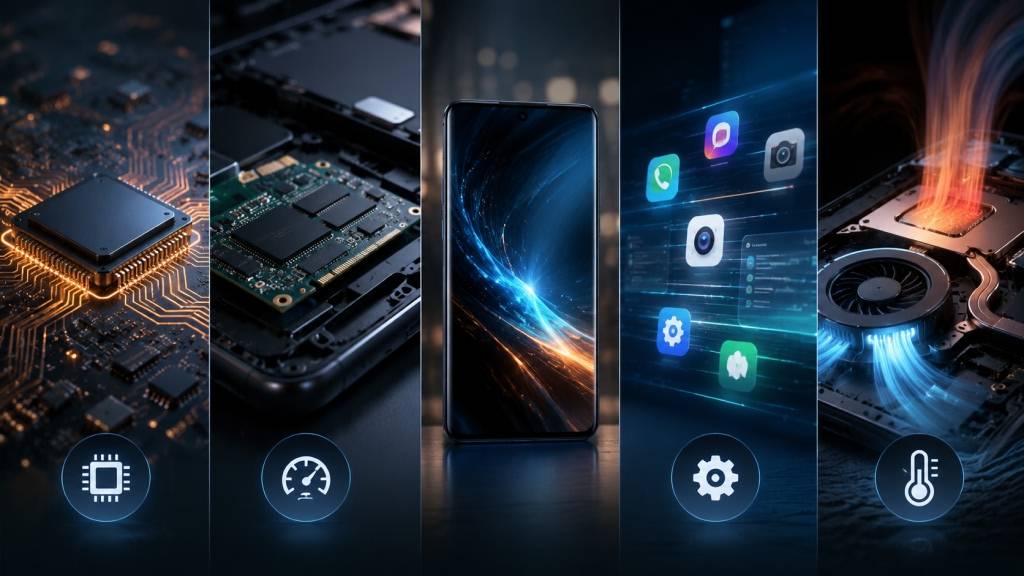
Ironically, some phones with less RAM can feel faster than devices with larger memory configurations. That’s because overall performance depends on much more than RAM alone.
1. Processor Performance
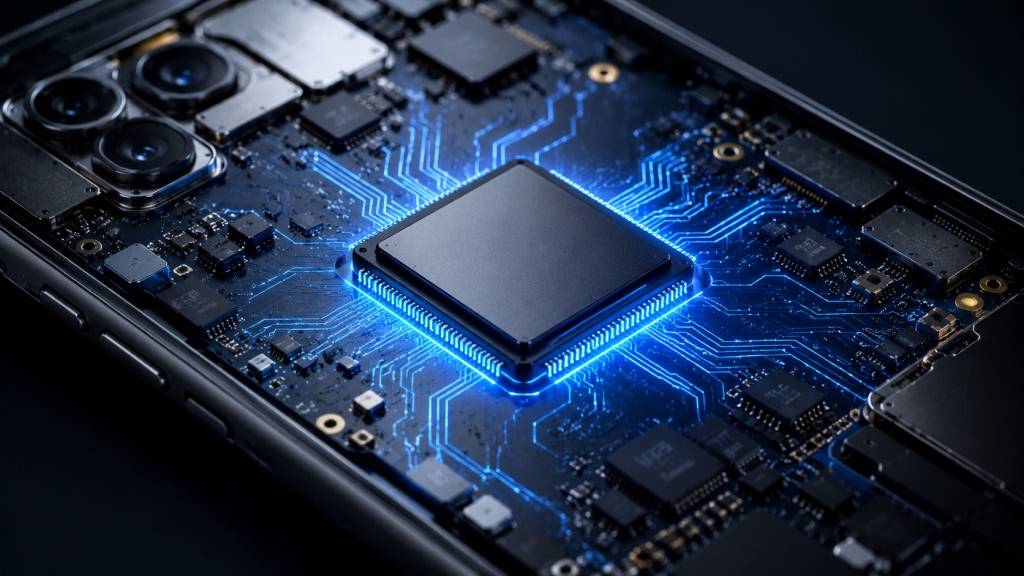
The chipset remains the biggest factor affecting speed. A phone with 8GB RAM and a flagship processor will often outperform a 12GB phone equipped with a slower mid-range chip. The processor handles everything from app launches to gaming performance and AI workloads.
2. Storage Speed
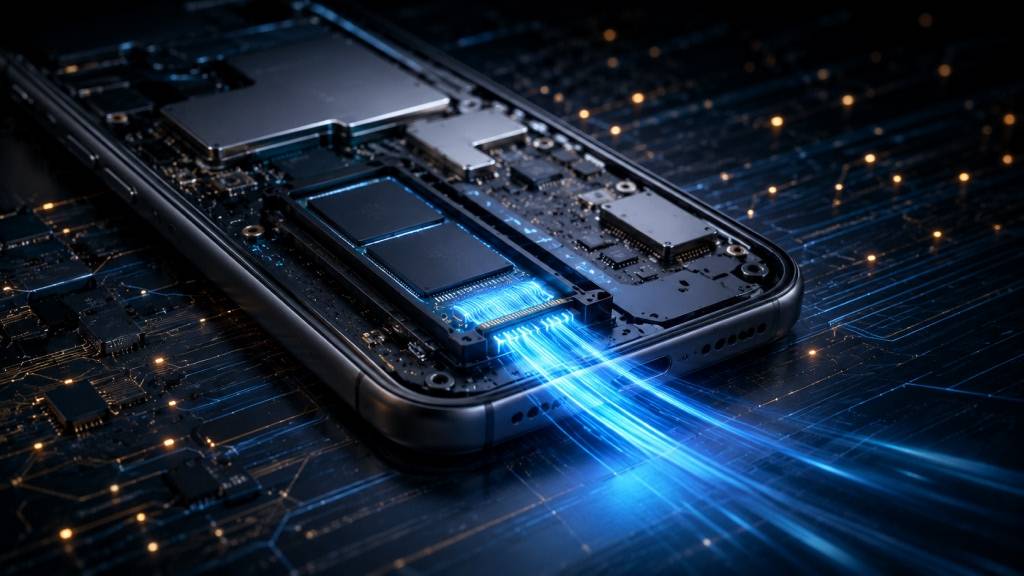
Modern smartphones use storage technologies such as UFS 3.1 and UFS 4.0. Faster storage means:
- Quicker app launches
- Faster file transfers
- Improved installation times
- Better responsiveness
Even with abundant RAM, slow storage can make a device feel sluggish.
3. Software Optimization
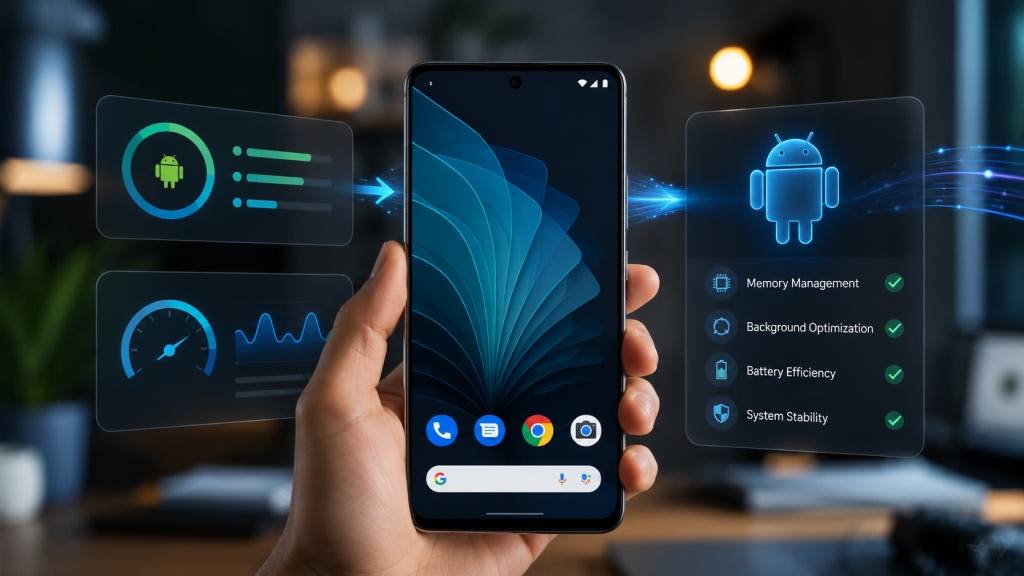
Some manufacturers simply optimize Android better than others. Efficient memory management often delivers a smoother experience than simply increasing RAM capacity. This is why two phones with identical hardware specifications can feel completely different in daily use.
4. Thermal Management
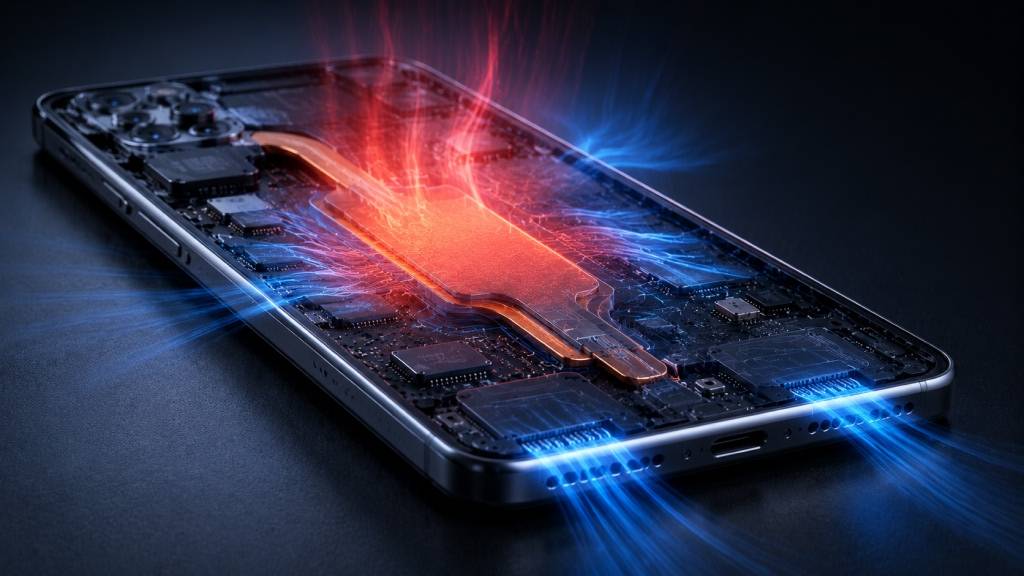
Performance also depends on how effectively a phone controls heat. When temperatures rise, processors reduce their speed to prevent overheating. This process, known as thermal throttling, can impact gaming and sustained performance far more than RAM capacity.
In the race to sell smartphones, RAM has become one of the easiest specifications to market because bigger numbers are easy to understand. Real-world performance, however, is far more complex. A phone does not feel fast simply because it has 12GB of RAM, it feels fast because every component works together efficiently. That is why the smartest buying decision is not chasing the highest RAM figure available, but choosing a device that delivers the best overall experience.