


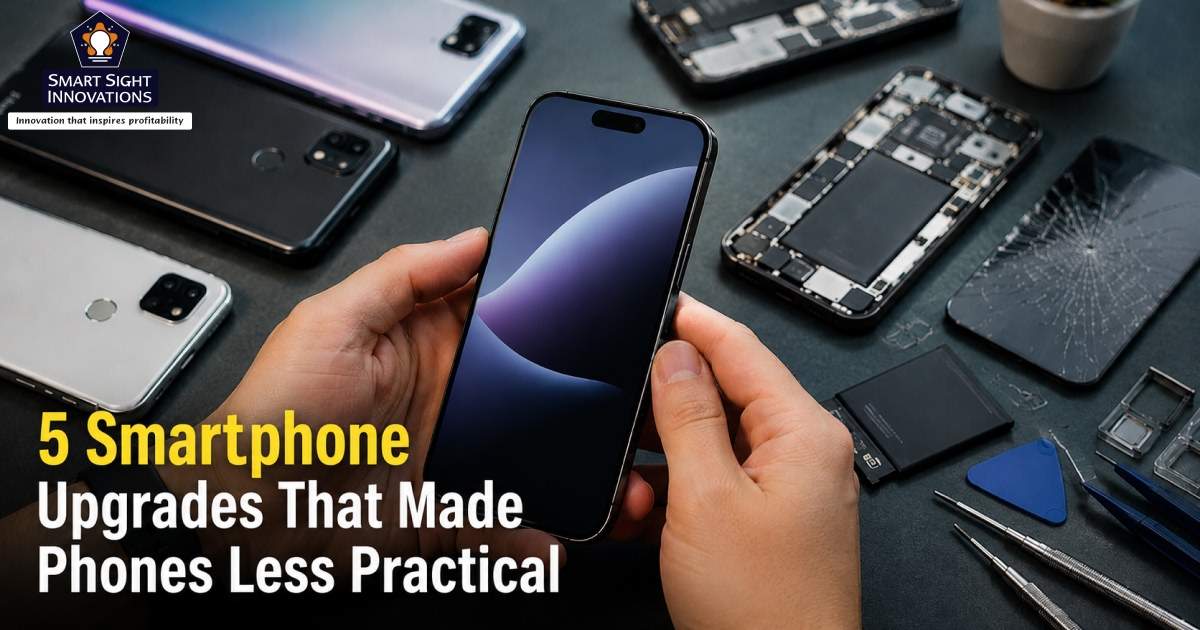
Smartphones have evolved dramatically over the past decade. Modern devices offer exceptional performance, advanced cameras, vibrant displays, and software support that can keep them relevant for years. Many flagship smartphones are powerful enough to handle tasks that once required a laptop, while their cameras have become capable replacements for dedicated point-and-shoot devices.
However, progress in the smartphone industry has not always been straightforward. As manufacturers pursued thinner designs, cleaner aesthetics, and new technologies, several practical features quietly disappeared. While these changes were often presented as improvements, many of them removed functionality that users relied on every day.
In some respects, today’s smartphones are more capable than ever, yet less versatile than the devices that came before them. Features that once gave users greater convenience, control, and longevity have steadily faded away, often without a true replacement.
Here are five smartphone upgrades that may have pushed the industry forward but also made modern devices less practical in the process.
1. The Removal of the 3.5mm Headphone Jack
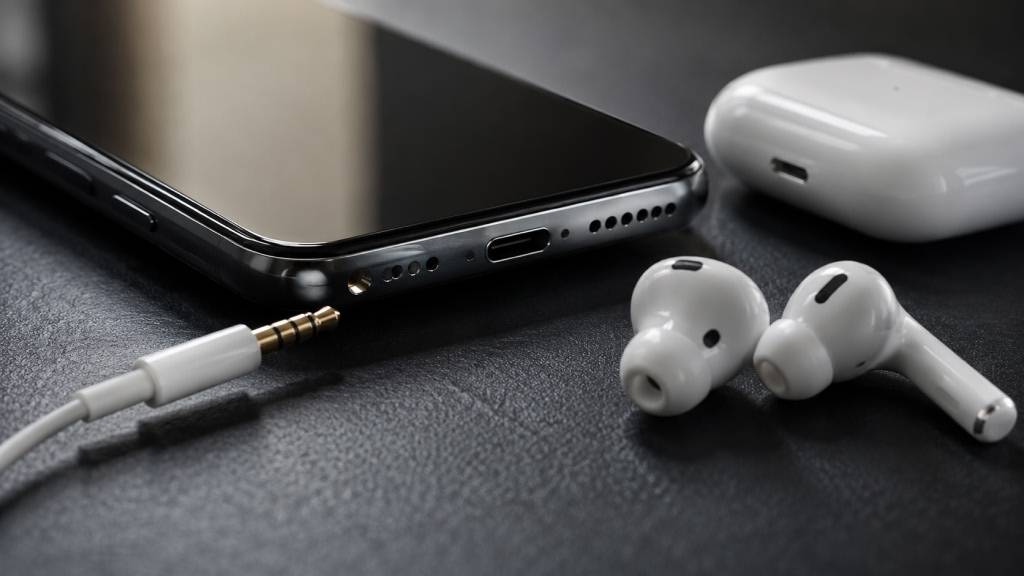
One of the most controversial smartphone changes of the past decade was the removal of the 3.5mm headphone jack. For years, it served as a universal standard that allowed users to connect wired headphones, car stereos, and external speakers without the need for adapters or additional accessories. The connection was simple, reliable, and compatible across countless devices.
Companies defended the decision by highlighting the benefits of a more streamlined internal layout. According to manufacturers, removing the port allowed greater design flexibility and helped accommodate other hardware priorities, including larger batteries and improved durability. While these arguments carried some merit, many consumers questioned whether the trade-off was worthwhile.
Wireless earbuds have undoubtedly improved over the years. They offer convenience, freedom of movement, and features such as active noise cancellation. However, they also introduce new limitations. Unlike wired headphones, they require regular charging, have batteries that degrade over time, and can be easily misplaced.
Audio enthusiasts also argue that wired headphones still provide superior audio fidelity and lower latency, making them a preferred choice for music production, gaming, and professional applications.
For many consumers, the disappearance of the headphone jack represented a loss of choice rather than a meaningful improvement. Although wireless earbuds have become the preferred choice for many consumers, their rise came at the expense of a feature that offered unmatched simplicity, compatibility, and reliability.
2. The Decline of Expandable Storage
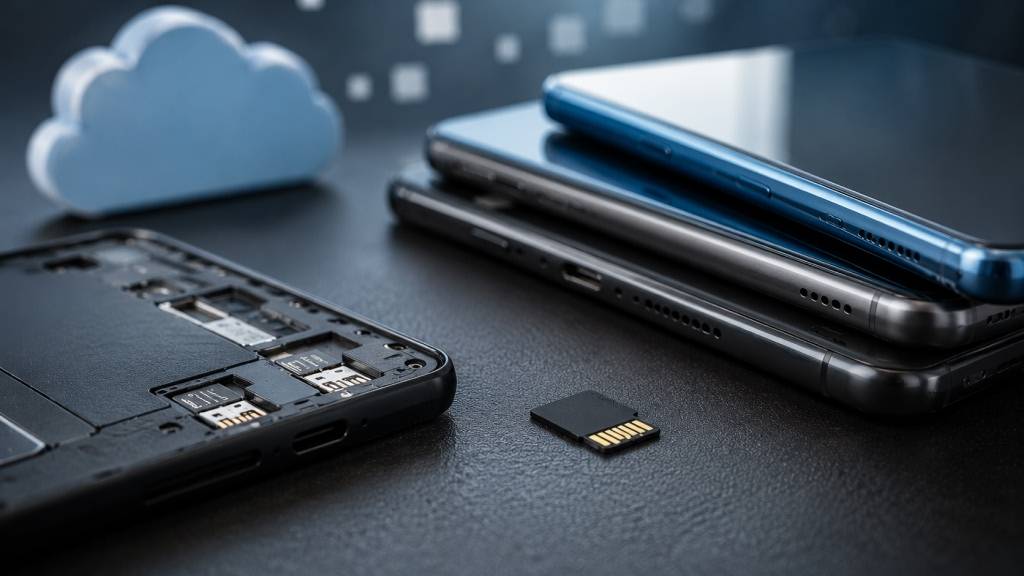
Memory card support was once one of the defining advantages of Android smartphones. It gave users the freedom to start with a lower-storage device and expand its capacity whenever needed, making it easier to store growing collections of photos, videos, music, and other files without spending significantly more on a new phone.
Over time, however, microSD card slots began disappearing from smartphones, particularly in the premium segment. Today, most flagship devices rely entirely on built-in storage, leaving buyers to decide upfront how much space they might need over the lifespan of the device.
Smartphone manufacturers often defend this shift by highlighting the speed and reliability of modern internal storage. Removing the card slot also simplifies the internal design of a device and provides engineers with greater flexibility when arranging components.
While these advantages are understandable, they do not necessarily reflect how many people use their phones. For everyday tasks such as storing personal photos, downloaded media, and important files, the performance difference between internal storage and a memory card is often negligible. For many users, memory card support was valuable because it offered a simple and affordable way to add more space without replacing the device or paying for a higher-capacity model.
The decline of microSD support has also coincided with the rise of cloud-based storage services. Although cloud platforms provide the convenience of accessing files across multiple devices, they often come with recurring subscription fees and depend heavily on a stable internet connection.
As a result, consumers have fewer options than they once did. What was previously a low-cost upgrade that could be added whenever needed has largely been replaced by more expensive storage tiers and ongoing cloud subscriptions.
3. The Disappearance of Notification LEDs
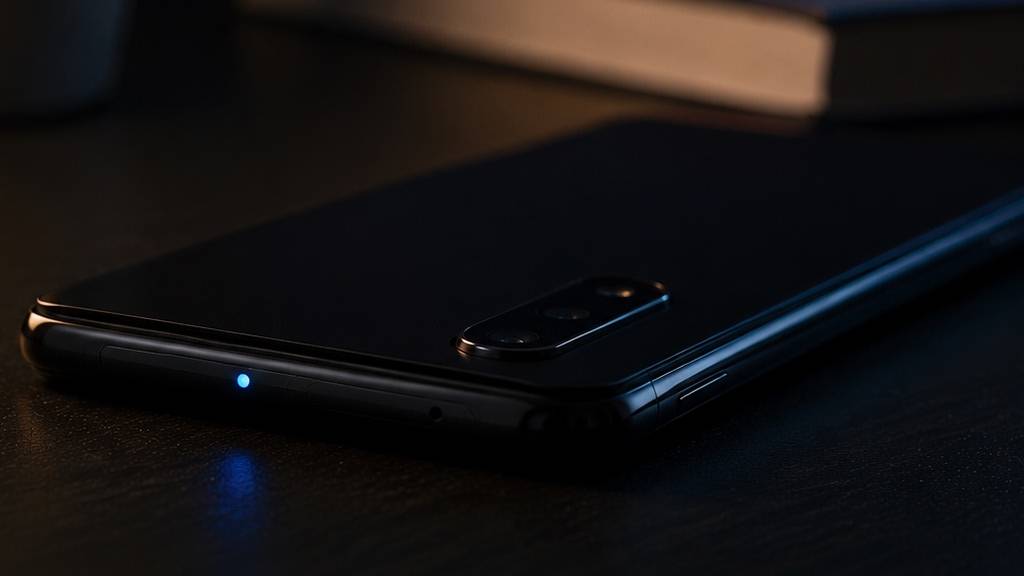
Among the many features that quietly vanished from smartphones, notification LEDs are perhaps one of the most overlooked. Despite their tiny size, these indicator lights served a surprisingly useful purpose. A quick glance at a device was often enough to reveal whether there was a missed call, unread message, low battery warning, or another alert waiting for attention.
As smartphone manufacturers embraced edge-to-edge screens and slimmer bezels, dedicated notification lights gradually disappeared. Their role has largely been taken over by Always-On Displays (AODs), which can present a wide range of details directly on the screen, including the time, battery level, and incoming alerts.
While AOD technology is undoubtedly more sophisticated, it does not always offer the same convenience. Notification LEDs excelled because they were subtle and immediately noticeable. Users could check the status of a phone from across a room without waking the display or closely examining the screen.
Their disappearance reflects a broader trend in modern smartphone design, where simple and highly effective features are sometimes replaced by more advanced alternatives that are not necessarily better suited to everyday use.
The continued popularity of software solutions that duplicate the notification lights, whether through camera cutout animations or customized lighting effects, suggests that many users still appreciate the simplicity and practicality of the original concept.
4. Under-Display Fingerprint Sensors
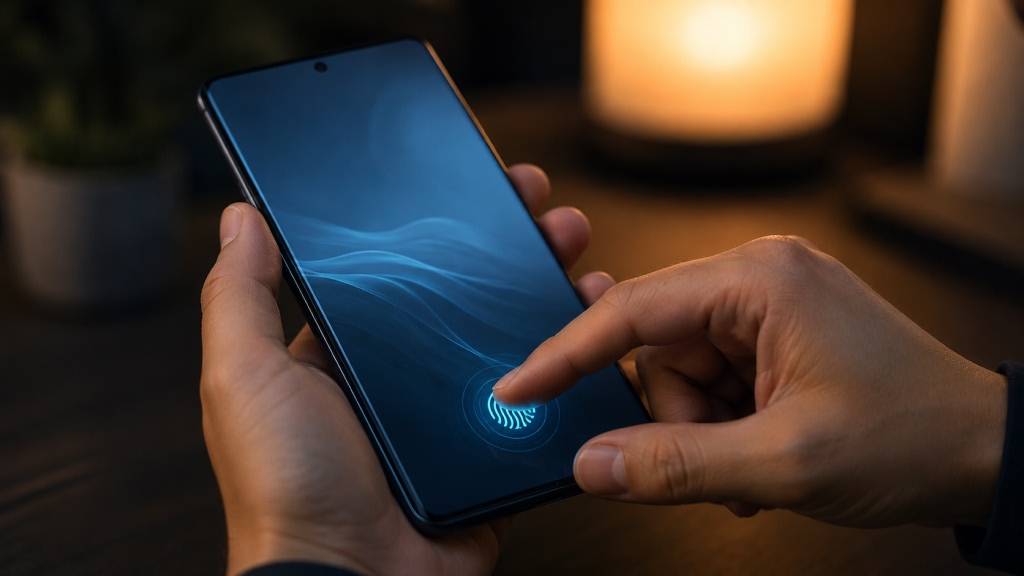
Biometric authentication has become a standard feature on modern smartphones, and fingerprint recognition remains one of the fastest ways to unlock a device. However, not every change in fingerprint sensor design has been universally welcomed.
Before under-display technology became mainstream, many Android smartphones featured dedicated fingerprint readers on the back of the device. Their placement felt intuitive, allowing users to unlock their phones naturally as they picked them up. In many cases, the device was already unlocked by the time it reached eye level.
These physical readers often served a secondary purpose as well. Manufacturers incorporated gesture controls that allowed users to access notifications or perform shortcuts without touching the display, adding an extra layer of convenience to everyday interactions.
As smartphone designs shifted toward edge-to-edge screens and cleaner aesthetics, physical fingerprint readers gradually gave way to sensors embedded beneath the display. The newer approach undoubtedly contributes to a more seamless appearance and helps maintain an uninterrupted front panel.
However, visual appeal does not always guarantee a better experience. While under-display fingerprint readers have improved significantly over the years, many users still find traditional capacitive scanners quicker and more reliable in day-to-day use. Embedded sensors often require more deliberate finger placement and may not feel as effortless as their physical counterparts.
The transition highlights a recurring theme in smartphone design: features are sometimes redesigned to look more modern, even when the previous solution offered advantages in speed, convenience, and usability.
5. The End of User-Replaceable Batteries
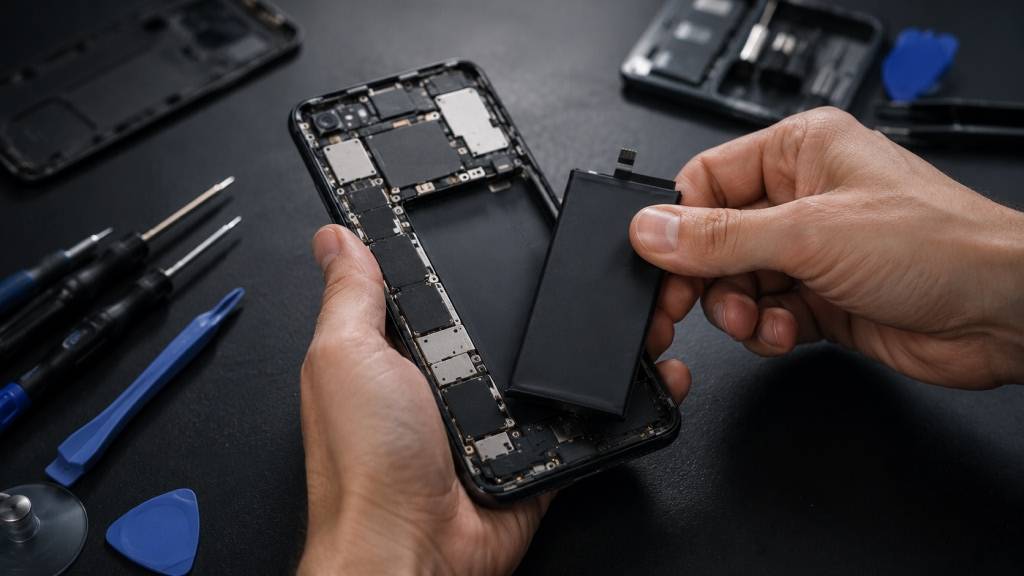
Few changes have affected smartphone longevity as much as the move away from user-replaceable batteries. In earlier generations of smartphones, a declining battery was a relatively minor issue. Users could simply purchase a replacement, install it in minutes, and continue using their device without significant expense or technical expertise.
Modern smartphones take a very different approach. Power cells are now sealed, making replacement a far more involved process. What was once a simple task often requires specialized tools, careful disassembly, and, in many cases, professional assistance.
Manufacturers have valid reasons for embracing sealed designs. They help improve water resistance, strengthen the overall structure of the device, and allow engineers to make more efficient use of internal space. These advantages have undoubtedly contributed to the sleek and durable smartphones available today.
Since rechargeable batteries naturally lose capacity over time, every smartphone eventually faces the same challenge of diminished battery life. When replacement becomes difficult or expensive, many users are more likely to upgrade to a new device rather than maintain the one they already own.
This issue is particularly relevant today, as smartphones receive software updates for far longer than they did a decade ago. A device may remain powerful enough to meet a user’s needs for many years, yet its aging battery can become the factor that limits its lifespan.
Making batteries easier to replace would not only extend the useful life of smartphones but could also help reduce electronic waste. At a time when sustainability and right-to-repair initiatives are gaining momentum, improving repairability may be just as valuable as introducing entirely new features.
There is no denying that today’s smartphones are more powerful, capable, and refined than ever before. However, progress is not always measured by the features that are added. In some cases, the features that disappeared offered practical benefits that users valued every day.
Whether it is the convenience of a headphone jack, the freedom of expandable storage, or the longevity offered by replaceable batteries, these changes highlight an important lesson for the industry, that is innovation should make devices more useful, not simply different.
As smartphone innovation enters a more mature phase, manufacturers may find that the next breakthrough is not always about adding something new. In some cases, it may involve bringing back the practical features that made smartphones easier and more enjoyable to use in the first place.